According to the German Business Initiative for Energy Efficiency (DENEFF), Germany will reach the day of energy dependency on May 5, 2026. From this date, domestic energy production would be used up in purely mathematical terms and Germany would be dependent on energy imports for the rest of the year.
Germany’s energy import dependency was around 66% in 2025. This results in a domestic production share of 34%, from which DENEFF derives the date of energy dependency at the beginning of May. Important: The date is not an unchangeable value, but a snapshot based on energy production and consumption in 2025. With each additional expansion of renewable energies, this date may shift further back.
Photovoltaics as a central component of the energy transition
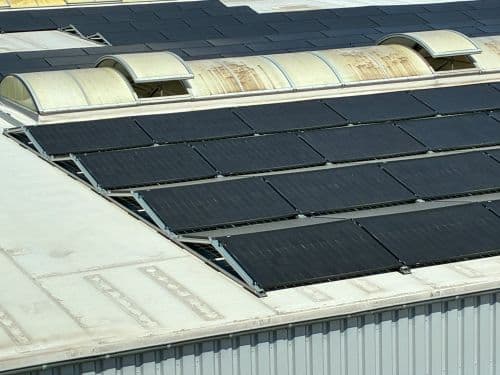
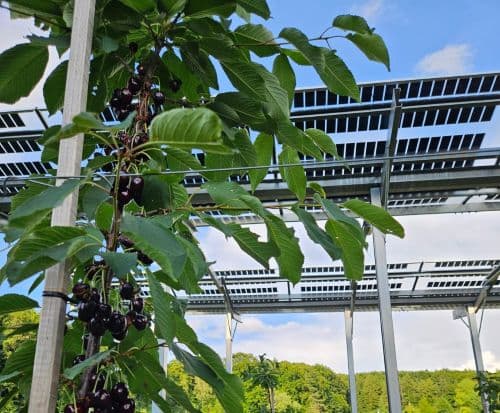
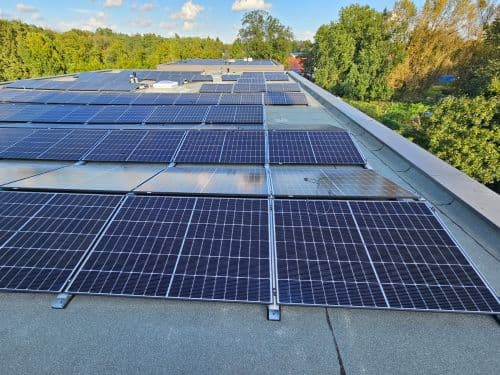
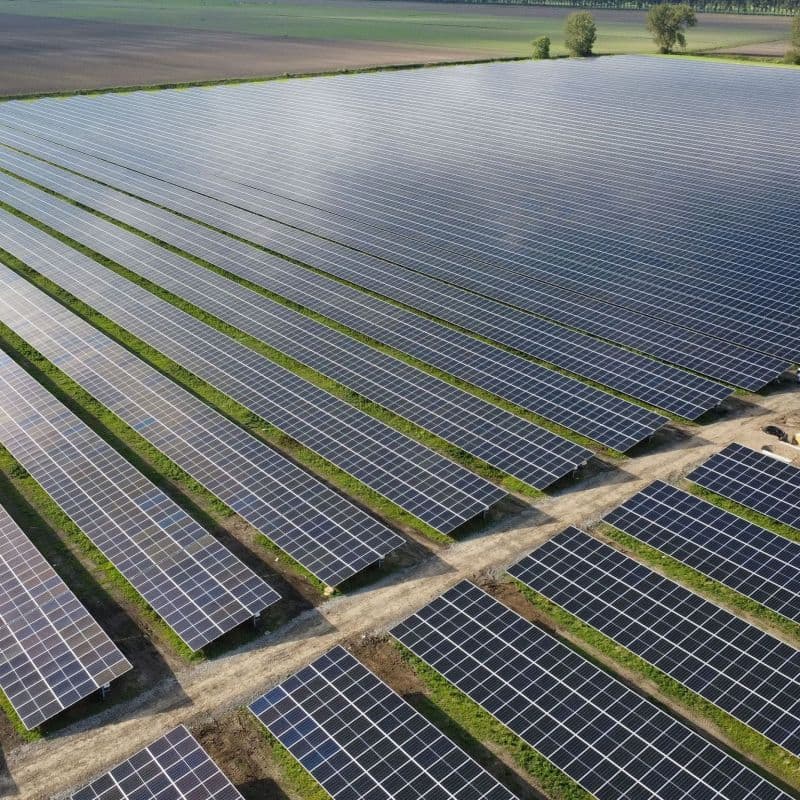
Photovoltaics is one of the most important building blocks for greater energy independence. It makes it possible to generate electricity directly on roofs, façades, open spaces or commercial buildings. Companies, local authorities and building owners in particular can actively contribute to increasing the proportion of domestic energy.
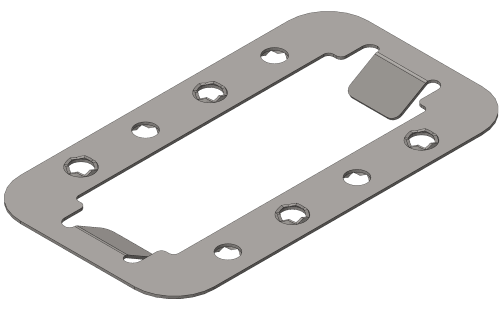
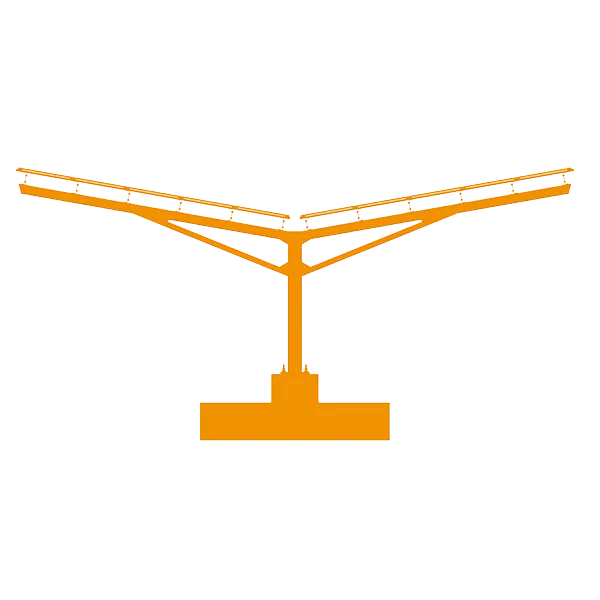
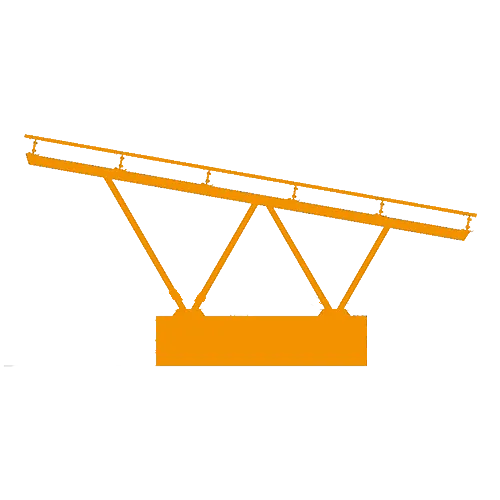
The advantage: solar power is generated decentrally, predictably and directly on site. This reduces dependence on imported fossil fuels and international energy markets. For photovoltaics to function reliably in the long term, stable, durable and economically viable substructures are needed in addition to solar modules. Only suitable mounting systems can turn roofs, façades and open spaces into usable energy surfaces.
Conclusion
With every further step in the expansion of renewable energies, Germany can reduce its dependence on imports. Photovoltaics plays a central role in this. More renewable energy means more independence. Every new PV system contributes to postponing the day of energy dependency even further.