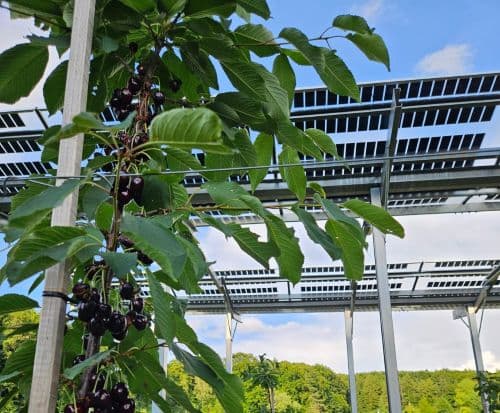
Agri-photovoltaics (Agri-PV) combines two goals: Agricultural use and solar power generation on the same area. This is precisely why agrivoltaics is not only an energy topic, but also a future topic for farms, regions and the entire energy transition.
In recent weeks, a study by the Thünen Institute (database 2023) has reignited the debate: according to the study, the LCOE of agrivoltaics can be higher in some cases than that of traditional ground-mounted PV systems. The Association for Sustainable Agri-PV (VnAP) disagrees with a blanket classification and provides good reasons why a purely cost-based approach falls short.
Agri-PV costs: electricity generation costs of 5 to 12 ct/kWh are already competitive
A key point of the association’s statement: modern agri-PV systems typically generate electricity for around 5 to 12 ct/kWh. This puts them in the range of other renewable energies and well below the costs of fossil fuel power plants.
According to the association, the large ranges in some analyses are due to the fact that studies often include research facilities or highly specialized special cultivation systems (with small quantities). These naturally have higher costs. Low-cost system types such as vertically mounted systems, on the other hand, can already be operated economically today. Furthermore, Agri-PV should not be reduced to the price of electricity. The real added value comes from land efficiency, climate adaptation, grid efficiency and regional value creation.
Land efficiency: producing energy and food on the same area
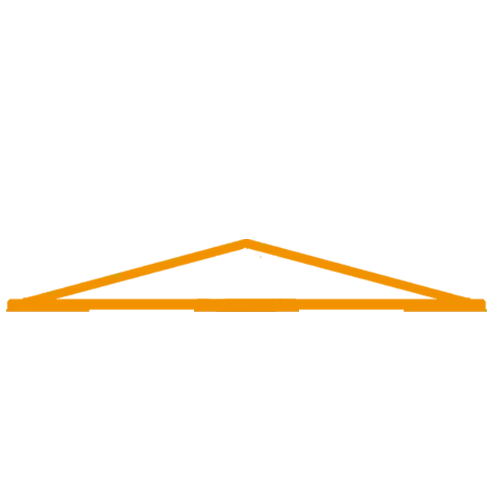
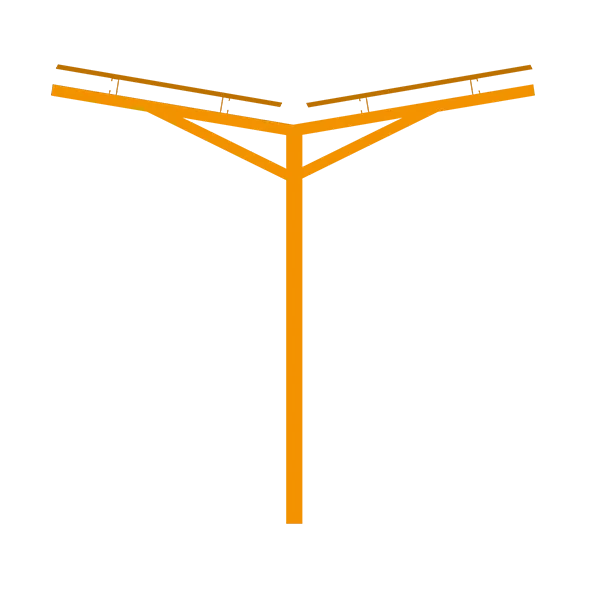
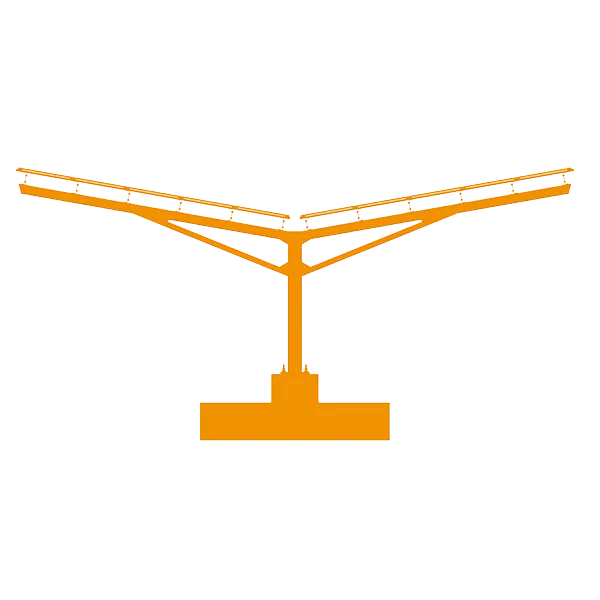
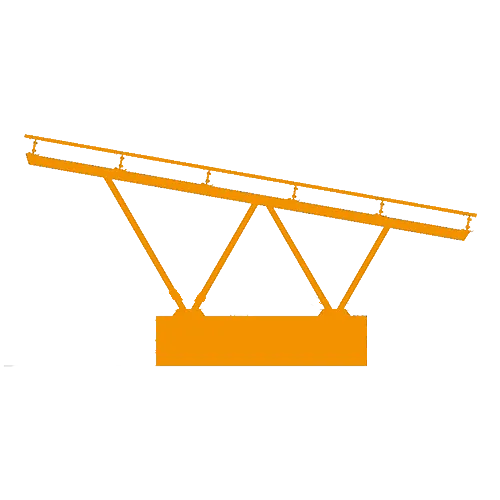
According to the VnAP, Germany loses around 55 hectares of land per day (e.g. due to settlements and traffic). This is precisely where Agri-PV comes into its own: Dual use instead of competition for land. Agri-PV is not “a system”, but rather a modular system of solutions, depending on the location, crop and objective, e.g. vertical systems, elevated trackers or closed systems for special crops.
Climate adaptation in agriculture: protection against heat, hail and drought stress
A second major advantage is resilience: Agri-PV can reduce agricultural risks through shading, weather protection and a more stable water balance. The VnAP mentions hail protection, heat reduction, lower evaporation and an improved microclimate, among other things. These are factors that can stabilize yields and reduce the need for irrigation. This benefit is becoming increasingly relevant, especially in view of the increasing incidence of extreme weather conditions, and is a decisive difference to traditional open-space PV.
Grid-friendly power generation: More electricity when it is needed
Agri-PV systems, particularly those with an east-west orientation, can supply more electricity at times of high demand (mornings and evenings) and thus potentially reduce the load on the grid. This tends to reduce system costs in the energy system, but is usually not included in pure electricity generation costs.
Regional value creation: greater acceptance through farmer participation
Another point: agricultural businesses benefit directly through additional, long-term predictable revenues, diversification and a strengthening of rural areas. This can increase social acceptance of the energy transition because value creation remains visibly in the region.
Additional EEG costs: Very low in relation to the benefits
Even if Agri-PV may require higher values to be applied on average in some cases, the association classifies the consequences for funding as manageable: If Agri-PV were to fully implement the planned volume of tenders, the additional annual costs would be around €89 million, or around 0.4% of the EEG budget. For comparison, the expansion of new gas-fired power plant capacity by 2030 is compared with investments in the double-digit billion range.
Conclusion: Agri-PV is not a niche, but a strategic technology of the future
The core message of the VnAP is clear: Agri-PV is economically viable and makes social sense, precisely because it addresses several challenges simultaneously: Land conservation, climate resilience, grid-supportive generation and regional participation. At the same time, the technology is young; with market ramp-up, standardization and learning effects, further cost reductions are plausible.
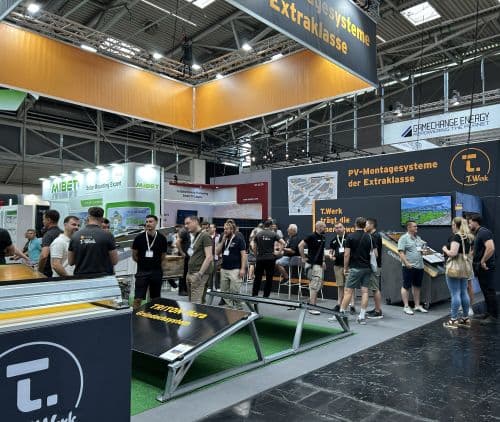
T.Werk is a member of the Association for Sustainable Agri-PV
T.Werk supports the expansion of sustainable Agri-PV that combines agriculture and the energy transition. T.Werk is a member of the Association for Sustainable Agri-PV (VnAP) and is thus actively involved in the dialog for practical standards, fair framework conditions and responsible market development.
If you would like to explore Agri-PV as an opportunity for your farm or region, please contact us. We will be happy to share our experience, evaluate requirements and show you which system approaches suit your goals.