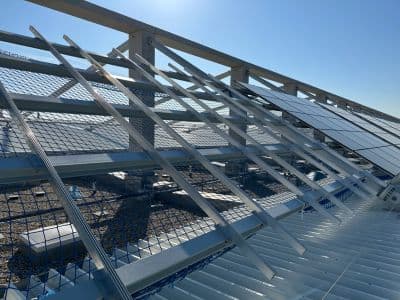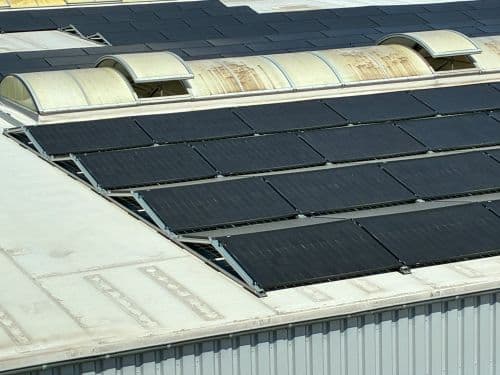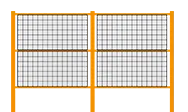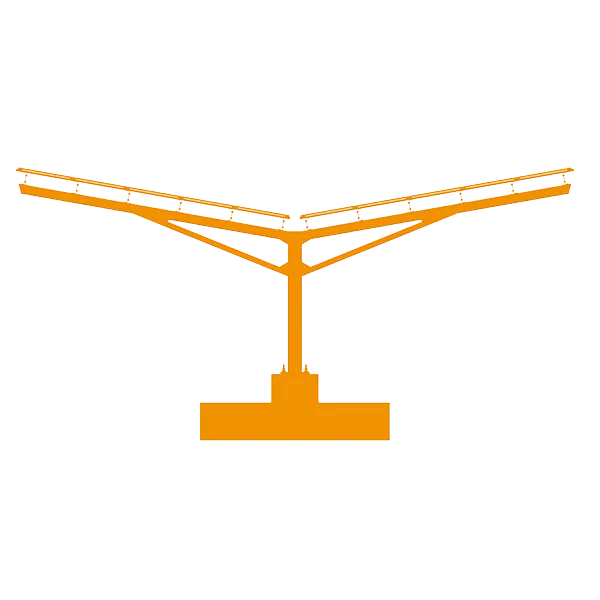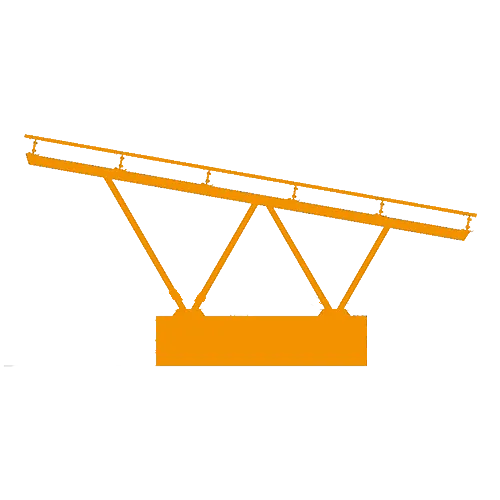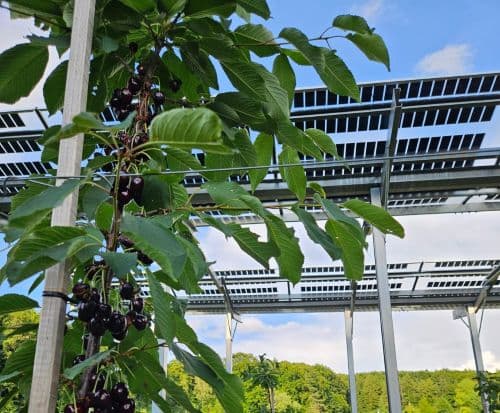
How do agri-PV systems affect the cultivation of specialty crops? The Fränkische Schweiz Fruit Information Center is investigating this question using cherry cultivation as an example. The focus is on the ARTEMIS agri-PV system from T.Werk, which was installed over a cherry orchard at the OIZ. The first measurement results now provide exciting indications of how the cherry trees react to the altered light and climate conditions under the system.
Agri-PV as a protection and production system
Agri-PV combines the agricultural use of land with the generation of sustainable energy. Especially for sensitive specialty crops such as cherries, this approach opens up new possibilities: the plants are not completely shielded from light but continue to grow under defined light conditions. At the same time, the PV modules can provide protection against extreme weather events and intense solar radiation.
At the OIZ Fränkische Schweiz, practice already shows that the cherries under the agri-PV system thrive very well compared to the test area. Those responsible on-site observe that the trees under ARTEMIS appear vital and are developing positively.
Cherry trees adapt to agri-PV
Initial studies show that the cherry trees adapt to the conditions under the agri-PV system. This is particularly evident in the so-called light saturation curves: at low light intensity, the shaded trees achieve a higher electron transport rate than the open-field trees. This means that the leaves use the available light particularly efficiently. This effect is typical for shade-adapted leaves. They focus their photosynthesis more on gaining as much energy as possible from less light.
In contrast, a different picture emerges at very high light intensities: above approximately 1,000 PAR, the shaded trees remain below the level of the open-field trees. This suggests that they are designed less for maximum photosynthetic performance under strong radiation and more for the efficient use of the reduced amount of light under the system.
Less stress due to reduced UV radiation under agri-PV
Leaf pigments were also examined more closely. For this purpose, 20 leaves from each of three variants were analyzed: under 33% light transmittance, under 48% light transmittance, and in the unshaded open field.
The measurements show that the chlorophyll-a concentration decreases under shading. This effect is particularly clear in the variant with 33% light transmittance. This can be interpreted as an adaptation of the plant: when less light is received, the tree invests less in photosynthetic pigments per leaf area.
The results for flavonoids are particularly exciting. These substances act as UV-A protection in the leaf epidermis. Under the agri-PV modules, the flavonoid concentration in both shaded variants was significantly lower than in the open field. This suggests that the plants under ARTEMIS are exposed to less UV stress and accordingly have to invest less energy in this protective mechanism.
In contrast, no statistically significant difference has been shown for anthocyanins so far. Since anthocyanins often react more strongly to acute stress situations such as cold or very high radiation, later measurements throughout the year may provide further insights.
Agri-PV as protection against hail, heat, and sunburn
In addition to the measurement results, on-site observations also confirm the benefits of the agri-PV system. The cherries under ARTEMIS have already survived several hail events. Especially in fruit growing, this protection is a decisive factor, as hail can cause significant economic damage.
Another advantage also became apparent during the intense heat of recent weeks: the trees and fruits under the agri-PV system were excellently protected from sunburn. In times of increasing weather extremes, such a protective effect can become increasingly important for sensitive crops.
Utilizing rainwater: ARTEMIS with an integrated cistern
Another central component of the project at the OIZ is water utilization. The rainwater drained by ARTEMIS is collected in a cistern. In recent months, it has been possible to store water that is now being used to irrigate the cherry trees during the dry period.
Thus, the system not only shows how energy generation and agriculture can be combined, but also how resources can be used more efficiently. Especially in dry and hot phases, the storage and targeted use of rainwater can make an important contribution to the supply of the plants.
Agri-PV ARTEMIS shows potential for the future of fruit growing
The initial results and observations at the OIZ Fränkische Schweiz make it clear: agri-PV can do much more in fruit growing than just generate electricity. ARTEMIS creates an adapted microclimate, reduces stress factors such as strong UV radiation and heat, protects against weather events, and supports sustainable irrigation through rainwater utilization.